
7 Ways to Keep Your Joints Healthy
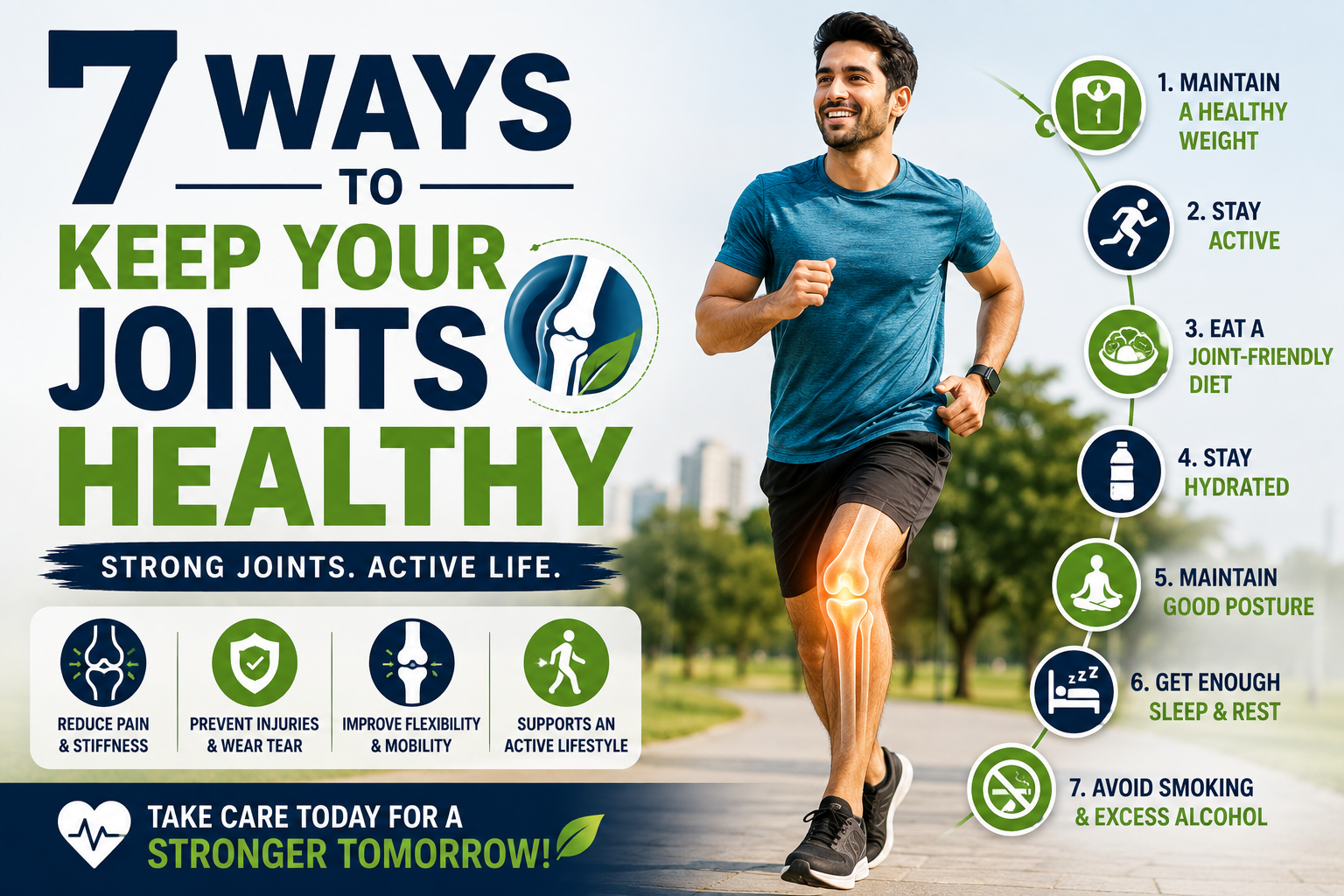
Our joints allow us to walk, run, bend, climb stairs, lift objects, play sports, and perform thousands of everyday movements. From the knees and hips to the shoulders, elbows, wrists, and ankles, healthy joints are essential for maintaining mobility and independence. Although some joint problems are related to age, injuries, genetics, or medical conditions, many healthy lifestyle habits can support joint function and help you stay active. Taking care of your joints does not mean avoiding movement. In fact, regular, appropriate movement is one of the most important things you can do for your musculoskeletal health. Here are seven practical ways to take better care of your joints. 1. Stay Physically Active One of the biggest mistakes people make when trying to protect their joints is avoiding movement altogether. Regular physical activity helps maintain muscle strength, flexibility, coordination, and overall fitness. Exercise can also help maintain the muscles that support your joints. According to the American Academy of Orthopaedic Surgeons, regular exercise can help maintain strength, endurance, flexibility, balance, and joint health. Repetitive movement may also help reduce joint stiffness, while stronger muscles can help support joints. You do not necessarily need intense workouts. Activities such as: can be incorporated into an active lifestyle depending on your health and fitness level. If you currently have joint pain, choose activities that do not significantly worsen your symptoms and discuss persistent pain with a healthcare professional. 2. Maintain a Healthy Weight Your body weight can influence the amount of mechanical stress placed on weight-bearing joints such as the knees, hips, and ankles. Excess body weight can increase the physical demand placed on these joints during everyday activities. Maintaining a healthy weight can therefore be an important part of joint health. If you are overweight, even gradual improvements in weight management may make movement easier. Weight management should not mean extreme dieting. A sustainable approach generally includes: The AAOS notes that weight reduction can reduce stress on weight-bearing joints and may improve pain and function in people with arthritis. If you are struggling with weight management, a doctor or qualified nutrition professional can help you develop an appropriate plan. 3. Strengthen the Muscles Around Your Joints Your muscles play an important role in supporting movement. Strong muscles around the hips, knees, shoulders, and other joints can help improve stability and control. For example, strong thigh and hip muscles can contribute to better lower-limb movement and support. Strength training does not necessarily require heavy gym equipment. Depending on your fitness level, exercises may include: The important principle is progression. Start at an appropriate level and gradually increase resistance as your strength improves. If you already have an injury or joint condition, exercises should be selected according to your diagnosis. A physiotherapist can create an individualized strengthening program. 4. Choose Joint-Friendly Activities Exercise is beneficial, but not every activity places the same amount of stress on your joints. If you have existing joint pain or arthritis, high-impact exercise may aggravate symptoms in some cases. Low-impact activities can provide a way to remain active while reducing impact. Examples include: The AAOS recommends low- to no-impact activities such as swimming, water aerobics, stationary cycling, and elliptical exercise for many people with arthritis. This does not mean high-impact exercise is automatically harmful for everyone. Healthy individuals may participate in running, jumping, and sports depending on their fitness, training, and physical condition. The key is choosing activities appropriate for your body and gradually increasing training demands. 5. Maintain Flexibility and Joint Mobility Strength is important, but flexibility matters too. Stiff muscles and limited joint movement can make everyday activities more difficult. Regular mobility and stretching exercises can help maintain flexibility. Simple activities can include: Stretching should generally feel like a gentle pull rather than sharp pain. If a particular movement causes significant pain, stop and seek professional guidance. As we age, changes in tendons, ligaments, cartilage, and other tissues can affect flexibility and joint movement. Regular physical activity and stretching can help counter some effects associated with inactivity and aging. 6. Protect Your Joints During Sports and Work Joint health is not only about exercise. How you perform activities also matters. Poor movement technique, repetitive stress, sudden increases in activity, and inadequate recovery can contribute to injuries. If you play sports, consider: For people who perform physical work, proper lifting techniques and ergonomic adjustments can also help reduce unnecessary strain. If your work requires repetitive movements, try to take appropriate breaks and vary activities when possible. 7. Don’t Ignore Persistent Joint Pain Perhaps the most important joint-health habit is recognizing when something is not normal. Occasional soreness after exercise may improve with rest. However, persistent or worsening pain should not simply be considered part of aging. You should consider consulting an orthopedic specialist if you experience: Early assessment can help identify the underlying cause. Joint pain can result from many conditions, including: The earlier the cause is understood, the sooner an appropriate management plan can be considered. Why Movement Is Important for Joint Health Some people believe that resting a painful joint completely will always protect it. However, prolonged inactivity can lead to muscle weakness and stiffness. When muscles become weaker, everyday activities may become more difficult. The AAOS explains that stronger muscles can help support joints and that regular movement can help maintain joint function and reduce stiffness. That is why the goal should generally be appropriate movement, rather than no movement. If you have arthritis or an injury, the right type and amount of exercise should be tailored to your condition. Nutrition and Joint Health A balanced diet supports overall health, including bones, muscles, and the tissues involved in movement. A healthy eating pattern should provide adequate: Calcium and vitamin D are particularly important for bone health. Adequate protein also supports muscle maintenance, which is important for joint stability and mobility. There is no single food that can guarantee protection from arthritis or joint problems. Instead, focus on an overall balanced dietary pattern. Stay Hydrated Hydration … Read more